
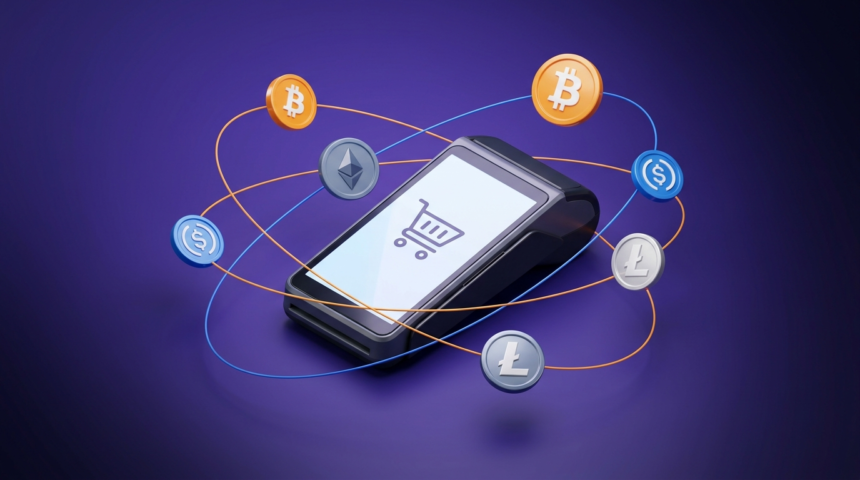
Cryptocurrency has become a practical part of modern finance, especially for people and businesses that need faster ways to receive digital assets and move funds across borders. At the same time, SEPA remains one of the most widely used payment networks in Europe, making it an important option for euro-denominated transfers between participating countries. Services that connect crypto transactions with SEPA payments can therefore make it easier to move between digital assets and traditional bank accounts.
Whether you are a freelancer receiving international payments, an online business accepting cryptocurrency, or an individual looking for a convenient way to manage euros and digital assets, choosing the right service matters. Factors such as supported cryptocurrencies, transaction fees, transfer times, security, account requirements, and SEPA availability should all be considered.
Below are ten types of services and platforms worth considering when looking for convenient ways to receive crypto and make payments through SEPA.
1. Blackcat
Blackcat is one option for users looking for a straightforward way to handle cryptocurrency transfers. Its transfer service can be useful for people who need to move crypto funds while maintaining access to traditional payment methods.
For users comparing different options, a crypto money transfer can provide a practical way to explore how digital assets can be transferred between parties. When using any crypto transfer service, users should review supported assets, fees, processing times, and applicable verification requirements before completing a transaction.
2. Coinbase
Coinbase is a well-known cryptocurrency platform that combines crypto trading, transfers, and fiat currency services. Depending on the user’s location and account eligibility, it can provide options for converting digital assets into euros and moving funds through supported European banking methods.
One advantage of established exchanges is that they generally provide detailed transaction histories and account management tools. Users should still check the current availability and fees for SEPA transfers in their particular country.
3. Kraken
Kraken offers cryptocurrency trading and various deposit and withdrawal options for eligible customers. European users may be able to use SEPA-related banking services to move euros between their bank accounts and their crypto accounts.
Kraken can be particularly useful for people who want more than simple transfers because the platform also provides trading tools and support for multiple digital assets. Before transferring funds, users should verify the current payment methods available to their account.
4. Bitstamp
Bitstamp has long provided cryptocurrency trading services to customers in Europe and other regions. Its connection between crypto markets and traditional currencies makes it relevant for users who want to manage euros alongside digital assets.
For someone receiving cryptocurrency and eventually converting it into euros, a regulated exchange with established banking connections can simplify the process. However, fees and processing times can vary depending on the transaction type.
5. Crypto.com
Crypto.com provides a broad range of cryptocurrency services, including buying, selling, transferring, and managing digital assets. Eligible European customers may also have access to euro payment and withdrawal options.
Its wider ecosystem can appeal to users who want to keep multiple crypto-related activities within one account. As with any financial service, users should carefully review the specific terms, supported currencies, limits, and fees applicable to their region.
6. Bitpanda
Bitpanda is a European-focused digital asset platform that supports cryptocurrencies and other financial products. It can be useful for users who want a platform designed around European customers and euro transactions.
The ability to move between crypto assets and traditional currency is particularly valuable for people who receive digital payments but ultimately need euros in a conventional bank account. Users should confirm which SEPA services are currently supported before relying on the platform for regular payments.
7. Revolut
Revolut combines digital banking features with cryptocurrency services, giving eligible users a way to manage traditional currencies and digital assets through the same broader financial ecosystem.
For users who regularly work with euros, having banking and crypto functionality in one application can be convenient. However, crypto features, transfer capabilities, fees, and account restrictions may differ by country and account type.
8. Wise
Wise is primarily known for international money transfers and multi-currency accounts rather than being a cryptocurrency exchange. It can nevertheless be relevant when planning the traditional-currency side of an international payment workflow.
Users should distinguish between services that directly support cryptocurrency and services that focus on fiat payments. Before attempting to connect crypto proceeds with a Wise account, it is important to review Wise’s current policies and supported transaction types.
9. N26
N26 is a digital banking platform serving customers in several European markets. Its euro banking capabilities can make it relevant to people who need SEPA transfers as part of their overall financial setup.
N26 is not simply a crypto transfer service, so users should check exactly which cryptocurrency features are available in their country. It may be more useful as the banking component of a broader crypto-to-euro workflow.
10. Binance
Binance is one of the largest global cryptocurrency platforms and offers a wide selection of digital assets and financial services. Depending on location and regulatory availability, users may have access to euro-related payment and withdrawal options.
Because payment methods can change according to jurisdiction, users should always check the current options displayed within their account. Fees, limits, verification requirements, and processing times should also be reviewed before initiating a transfer.
What to Look for in a Crypto and SEPA Service
Choosing a service should involve more than simply looking at whether it supports cryptocurrency and euros. Several practical factors can affect the overall experience.
Supported Cryptocurrencies
First, check whether the service supports the cryptocurrency you intend to receive. Some platforms focus on major assets such as Bitcoin and Ethereum, while others provide access to hundreds of tokens.
SEPA Availability
SEPA support is especially important if you need to move euros to or from a European bank account. Not every crypto platform provides identical SEPA functionality, and availability can depend on the user’s country.
Fees
Transaction costs can vary significantly. Consider network fees, exchange spreads, deposit charges, withdrawal fees, and bank transfer fees rather than looking at only one advertised price.
Processing Times
Crypto transactions and SEPA transfers operate differently. A cryptocurrency transaction may depend on blockchain confirmation times, while a SEPA payment follows banking processing schedules. Understanding both sides can help avoid unrealistic expectations.
Security
Security should be a major consideration when selecting a financial service. Look for appropriate account protection, strong authentication options, clear security policies, and transparent information about how funds are handled.
Verification Requirements
Many regulated financial and cryptocurrency services require identity verification before users can access certain features. Check the requirements in advance, particularly if you need to make larger or frequent transfers.
Why Crypto and SEPA Are Being Used Together
Cryptocurrency and SEPA serve different purposes, but they can complement each other. Crypto can make digital transfers convenient across borders, while SEPA provides an established infrastructure for euro payments between participating European countries.
For example, a freelancer might receive payment in cryptocurrency and later convert the funds into euros. A business could also use crypto for certain international transactions while relying on SEPA for European supplier payments. The combination can create more flexibility for people operating across different financial systems.
Final Thoughts
Services that connect cryptocurrency transfers with euro-based banking can make international finance more accessible. The best option depends on what you need to receive, where you live, how frequently you transfer funds, and whether you prioritize low fees, convenience, speed, or broader financial features.
Before choosing a provider, compare its current cryptocurrency support, SEPA availability, fees, transaction limits, verification requirements, and security measures. Payment and regulatory conditions can change over time, so checking the latest terms directly with the service is always recommended.