Beijing, China – July 21, 2026
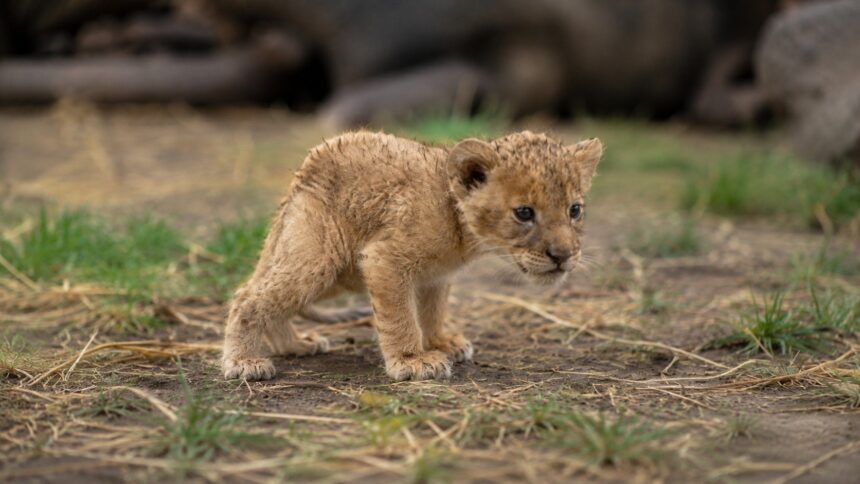
In a heartwarming and rare zoological development that is already drawing global attention, the Beijing Zoo has welcomed a lion cub named Napoleon, born with short spine syndrome — the same uncommon congenital condition made famous by “Jimothy,” the delightfully round raccoon from Seattle’s Ballard neighborhood who captured millions of hearts online earlier this month.
The announcement, which highlights the unexpected connections in the animal kingdom and the power of viral wildlife stories, was first shared publicly via an official post on X from the zoo’s verified account, @BeijingzooCN
The tweet read:
“ Big news from Beijing Zoo! A healthy lion cub named Napoleon was born yesterday with short spine syndrome, just like the beloved viral raccoon Jimothy! Our dedicated veterinary team is providing round-the-clock care, and the little one is active and thriving. We’re excited to watch this special cub grow strong. Stay tuned for updates! #BeijingZoo #LionCub #Jimothy #Napoleon”
According to zoo officials, Napoleon arrived on July 20 to a healthy lioness in the facility’s dedicated maternity area. The name Napoleon was chosen to reflect the cub’s bold, compact presence and spirited demeanor, evoking a sense of small-but-mighty resilience. While Napoleon exhibits the characteristic shortened spine and compact body shape associated with the syndrome, veterinarians report that he is otherwise in excellent health, nursing well, and showing normal activity levels for a newborn. The zoo has placed the mother-cub pair in a quiet, stress-free environment equipped with 24/7 monitoring to ensure optimal development.
Short spine syndrome, also sometimes referred to as short-spine deformity, occurs when vertebrae fail to develop properly during gestation, leading to compression or fusion that shortens the torso and can give affected animals a distinctive rounded or “no-neck” appearance. The condition is documented across various species, including dogs and occasionally wild animals, though it remains rare in big cats like lions. Experts note that while it may influence mobility in some cases, many animals — like Jimothy — adapt remarkably well and show no apparent pain or significant health complications.The story inevitably draws parallels to Jimothy, the wild raccoon whose videos exploded across social media in mid-July 2026.
Spotted scurrying through Ballard backyards, Jimothy’s unique physique and spirited movements turned him into an overnight sensation, inspiring fan art, merchandise, memes, and even charitable efforts in his name.
Jimothy, named by the woman who first filmed him because “he just looked like a Jimothy,” has been seen climbing, foraging, and navigating his urban habitat with surprising ease. His fame has brought joy to many during a turbulent news cycle and raised awareness about wildlife adaptations and urban coexistence with animals.
Beijing Zoo spokespeople expressed optimism about Napoleon’s future, stating that the facility’s advanced breeding and veterinary programs are well-equipped to support animals with unique needs. “This cub represents both a conservation milestone and a chance to educate the public about rare conditions,” one official noted in a follow-up statement. “Just as Jimothy has brought smiles worldwide, we hope our little Napoleon will highlight the resilience of nature and the importance of compassionate animal care.”The news has already sparked an outpouring of positive reactions online, with users drawing cute comparisons between the two animals, sharing well-wishes for Napoleon’s health, and playfully dubbing him “Napoleon the Conqueror of Hearts.” Some wildlife enthusiasts are calling it a “Jimothy Summer” crossover moment, bridging continents through shared affection for special animals.
The Beijing Zoo, known for its successful breeding programs with species like giant pandas and golden snub-nosed monkeys, plans to provide regular public updates on Napoleon’s progress while prioritizing his privacy and well-being in the early weeks. Future plans may include educational exhibits or digital content that explains the syndrome and celebrates biodiversity in all its forms.This unexpected birth adds to the zoo’s recent string of positive animal news and underscores the global fascination with wildlife stories that blend rarity, cuteness, and resilience.