Dallas, Texas – July 7, 2026
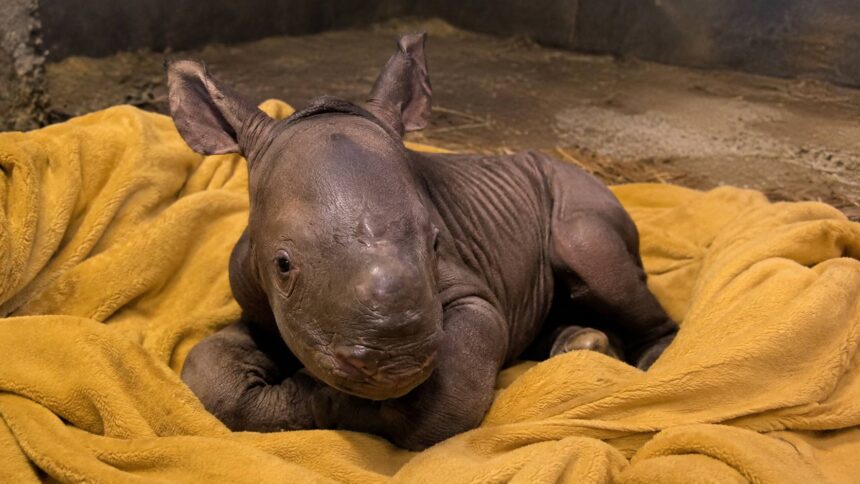
In a stunning scientific breakthrough that has sent shockwaves through the global conservation and biotechnology communities, Colossal Biosciences has successfully brought the woolly rhinoceros (Coelodonta antiquitatis) back from extinction. The first healthy proxy calf has been named Woolly.
The news first emerged earlier today when Colossal’s Chief Animal Officer, Matt James (@MattJamesCAO), posted the announcement on X:
“HISTORIC DAY AT COLOSSAL! After years of dedicated work, we are thrilled to announce the healthy birth of our first woolly rhinoceros proxy calf — meet Woolly! Using advanced CRISPR multiplex editing on Sumatran rhino cell lines integrated with key ancient DNA traits recovered from permafrost specimens, we have created a cold-adapted giant ready to help restore Pleistocene-style ecosystems. This builds directly on our mammoth, thylacine, dire wolf, and woolly mouse successes. The future of de-extinction and conservation is here.”
The Breakthrough
Colossal scientists created a proxy species — not an exact genetic clone, but a living animal that closely resembles the extinct woolly rhino in appearance, physiology, and ecological function. Key edits included genes for thick insulating fur, a prominent fatty hump, larger body size, and cold-climate adaptations. The surrogate used was a modern Sumatran rhinoceros (Dicerorhinus sumatrensis), the closest living relative.
Colossal Biosciences: Who They Are and What They’ve Already Achieved
Colossal Biosciences (often referred to as Colossal Labs) is the world’s leading de-extinction company. Founded in 2021 in Dallas, Texas, by entrepreneur Ben Lamm (CEO) and Harvard geneticist George Church (co-founder), the company combines cutting-edge CRISPR gene editing, stem cell technology, artificial wombs, and ancient DNA sequencing to resurrect extinct species and develop tools that also benefit living endangered animals.
Prior milestones include:
- Dire Wolf: Gene-edited proxy pups (Romulus, Remus, and Khaleesi) announced in 2025–2026.
- Thylacine (Tasmanian tiger) and Dodo bird: Advanced genome reconstruction and embryo work.
- Broader genetic research includes the woolly rhinoceros among many ice-age species.
Why This Matters
Woolly rhinos once roamed vast Ice Age steppes. The return of proxies like Wooly could aid grassland restoration, carbon sequestration, and permafrost protection, while the underlying technology accelerates conservation for critically endangered living rhinos.