
1. Introduction: The Rise of Mobile Micropayments
In 2026, the fintech landscape is witnessing an unprecedented shift. Small digital transactions, which were once thought to be not very efficient, are now one of the main reasons why fintech is growing so fast around the world.
Mobile payments are changing the way people buy things and companies make money. Now, you can spend as little as $0.99 on something inside an app or give a $2 digital tip. This is a new way of paying that’s becoming really popular. It’s called mobile micropayments.
They’re more than just transactions now — they’re a way people interact with the digital world, a way of taking part in the economy of today.
This change is making things easier and faster for people to get what they need. For companies, this means a steady flow of small payments that helps keep customers interested and loyal.
2. What Are Mobile Micropayments?
A mobile micropayment allows users to make low-value transactions (typically under $10) directly from a smartphone using mobile wallets, carrier billing, or payment APIs.
This system cuts out the usual banking steps and approvals, allowing users to finish buying things in just a few seconds. Behind the scenes, fintech gateways, telecom operators, and app ecosystems process these payments securely — at almost invisible speed.
Typical examples:
- Unlocking an online article for $0.50
- Sending a $1 tip to a streamer
- Paying small app or media access fees
Micropayments are shaping a world where every digital interaction has value.
3. Global Market Growth
Between 2020 and 2026, mobile micropayment transactions have grown by more than 270% worldwide. Experts think this trend will keep going in big areas like gaming, streaming, and online learning.
Key Growth Drivers
- Frictionless mobile integration powered by carrier billing
- Expanding creator economy via tipping and micro-subscriptions
- Improvement in fintech infrastructure — faster, cheaper, safer transactions
- Regulatory clarity encouraging telecom-fintech collaboration
Regional Adoption Snapshot
- Asia-Pacific (42%) — South Korea, Japan, Thailand leading telecom billing adoption
- North America (25%) — Strong wallet and app-store ecosystems
- Europe (21%) — Regulatory alignment under PSD2 open banking
- Africa (12%) — Financial inclusion via mobile networks
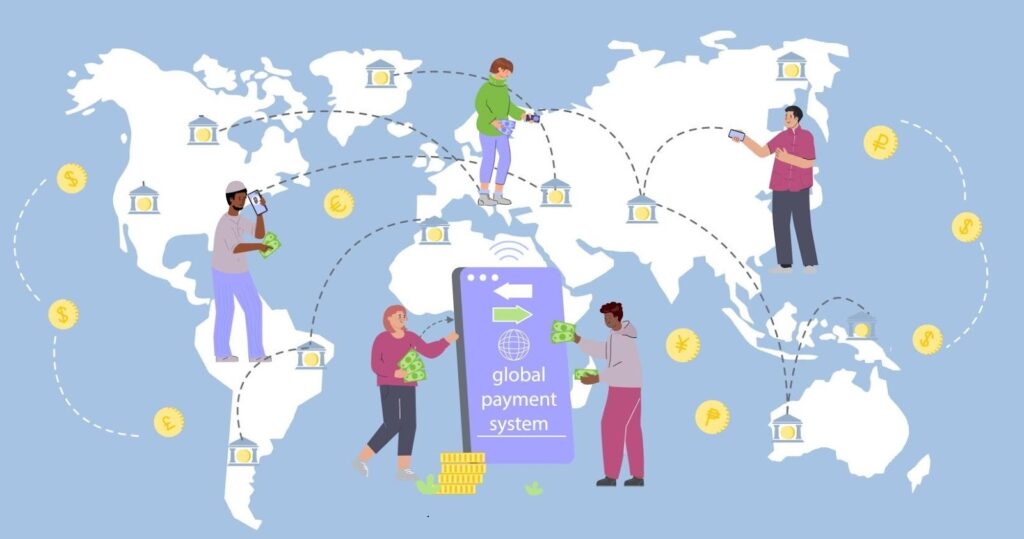
4. Changing Consumer Behavior
The psychology of spending has changed dramatically. Consumers now prefer access over ownership — spending small amounts more frequently instead of committing to large subscriptions.
Emerging Behavioral Patterns
- Paying per use (streaming, gaming, articles)
- Supporting creators through mobile donations
- Avoiding subscription fatigue with micro-access payments
- Using mobile wallets as “micro-budgets”
This shift is especially visible among younger digital-native generations who value control and flexibility.

5. Technology Behind the Micropayment Revolution
Micropayments became possible thanks to major technological advancements.
1. Telecom–Fintech Integration
Carrier billing acts as digital credit for users without traditional banking access.
2. AI & Predictive Fraud Detection
Machine learning analyzes thousands of microtransactions per second to prevent fraud in real time.
3. Blockchain Settlement Layers
Smart contracts automate decentralized micropayment ecosystems.
4. Tokenization and Privacy
Token systems secure user identity while maintaining seamless transactions.

6. Main Challenges and Risks
Despite progress, several barriers remain:
1 High relative fees — fixed processing costs affect small payments.
2 Data vulnerability — large behavioral datasets require strict privacy protection.
3 User fatigue — frequent small payments may lead to overspending.
4 Regulatory inconsistencies — differing global rules slow scalability.
These challenges require collaboration between fintech developers, telecom providers, and regulators.
7. How Businesses Are Using Micropayments
Industries are adopting microtransaction models:
- Media companies monetizing single articles or videos
- Gaming platforms offering small cosmetic purchases
- Streaming services enabling voluntary artist support
- E-learning providers charging per module or certificate
This model improves engagement and reduces customer churn by allowing pay-as-needed access.
8. Benefits for Emerging Markets
Micropayments also promote financial inclusion.
In regions with limited banking access, telecom providers enable digital payments through mobile devices, allowing millions to transact for the first time.
Examples such as Airtel Money and M-Pesa demonstrate how small payments support education, agriculture, and entrepreneurship.
(Image suggestion #4: Rural users utilizing mobile payment services.)
9. Regulation and Trust Infrastructure
Governments increasingly recognize micropayments as legitimate financial infrastructure.
Policies such as the European E-Money Directive and telecom payment frameworks across Asia focus on user protection rather than restriction.
Regulatory clarity has accelerated innovation, reduced fraud, and improved interoperability across mobile ecosystems.
10. Case Study: The Role of Specialized Payment Gateways
Modern micropayment gateways form the backbone of digital micro-finance.
They ensure secure, fast, and transparent transactions between businesses and consumers.
For instance, ZeroPayBank enables collaboration between telecom carriers and online merchants, optimizing latency and risk scoring to support millions of microtransactions efficiently.
Its model reflects the future of scalable micropayment infrastructure.
11. Expert Tips for Managing and Scaling Micropayments
- Group recurring small payments into bundles
- Maintain transparency about microcharges
- Enable spending limits and user insights
- Invest in compliance-oriented APIs
- Partner with certified payment providers prioritizing security
12. Frequently Asked Questions (FAQ)
Q1. Why are mobile micropayments growing rapidly?
They provide flexibility and convenience for small digital purchases.
Q2. Are micropayments risky?
Only when processed through unverified platforms.
Q3. Do micropayments replace subscriptions?
No — they complement subscription models.
Q4. Which industries benefit most?
Media, gaming, education, and entertainment.
Q5. Biggest adoption challenge?
Balancing low fees with high security globally.
13. Future Outlook: Where the Micropayment Market Is Heading
By 2030, analysts predict over 50% of online transactions under $20 will use mobile micropayments.
Growth drivers include:
- AI-powered payment automation
- Telecom–fintech global collaboration
- Wearables and IoT payment ecosystems
Micropayments will expand beyond entertainment into healthcare access, energy sharing, and education services.
14. Conclusion
Mobile payments are no longer just another payment option — they are becoming foundational to digital commerce.
As trust grows and infrastructure improves, micropayments will play an increasingly important role in global trade.
The transformation is not about large transactions but countless small payment moments that reshape how we understand money, trust, and participation in a connected world.
Responsible adoption begins with secure and transparent micropayment systems.
In today’s digital economy, every penny truly matters.